Oatley RSL Sub Branch through the years


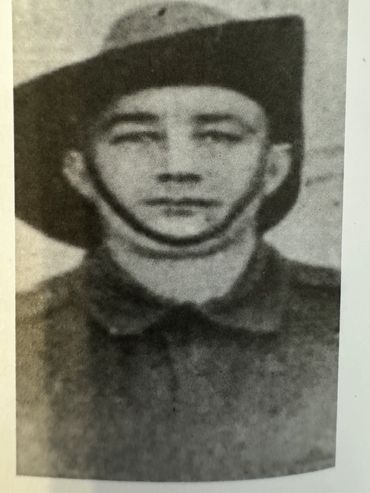
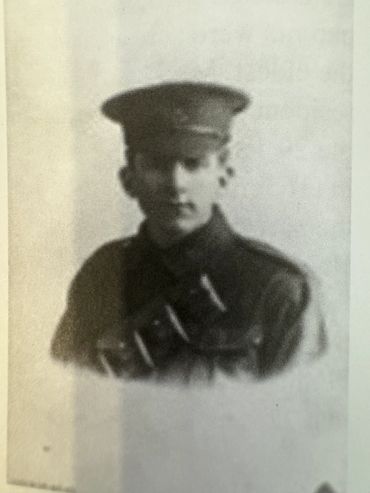
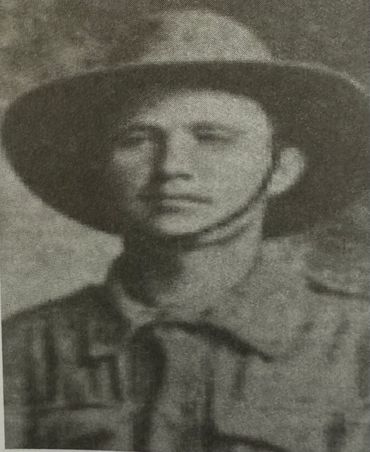
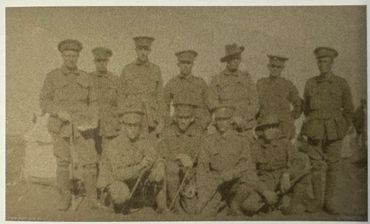
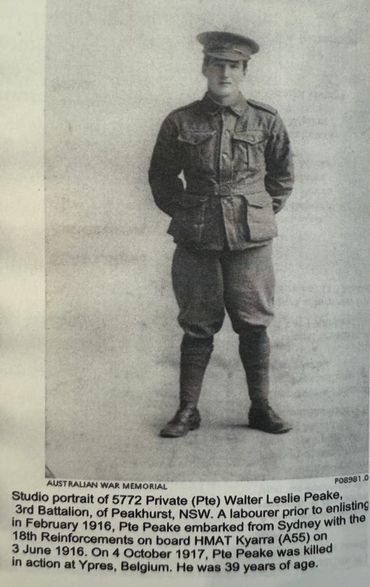
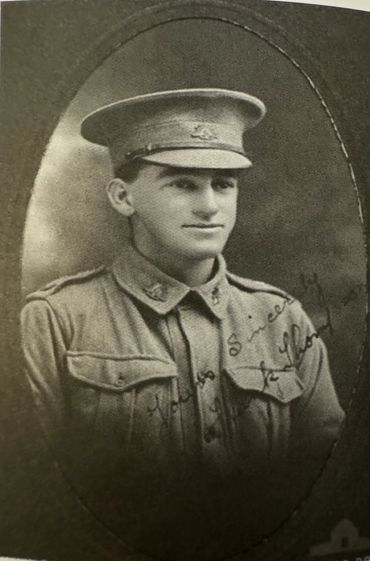
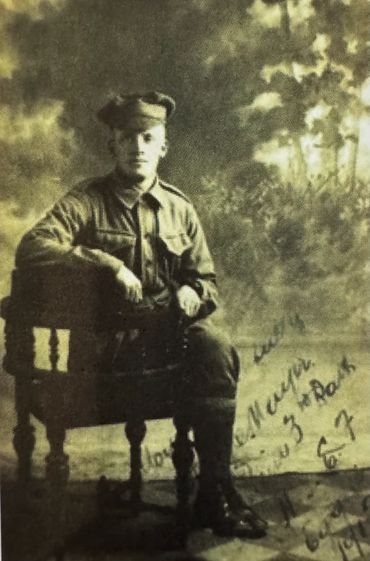


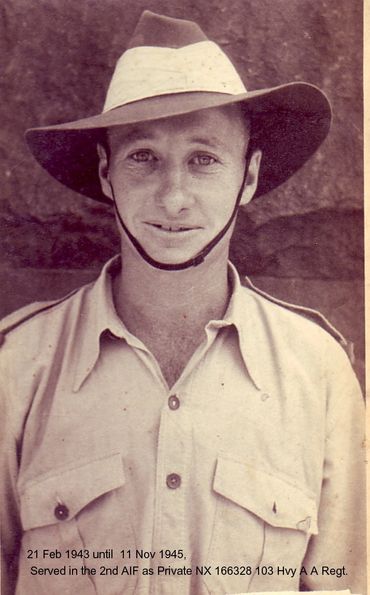




Oatley’s William "Billy" Wright
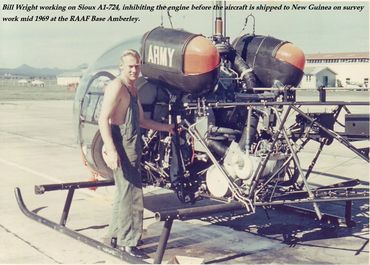
Billy’s journey began when he was conscripted into the Australian Army in February 1966. As a proud member of 1 Battalion, he served as an Infantryman before transferring to the Royal Australian Electrical and Mechanical Engineers (RAEME) in 1967. During his extensive 52-week training at the RAAF and Army RAEME School in Albury-Wodonga, he acquired invaluable skills in sheet metal, welding, machinery, and armament fitting—skills that would play a crucial role in his service.
In 1968, Billy was posted to RAAF Amberley as part of the Australian Army Aviation Corps, where his dedication soon led him to Vietnam in 1969. As a Corporal Engine Fitter stationed at Nui Dat, Billy excelled in his aircraft engineering duties, When not working on aircraft and making them safe and effective to fly on operations, Billy regularly volunteered to crew army aviation aircraft, supporting vital operational missions with aircraft such as the Sioux Helicopter, Pilatus Porter, and Cessna 180. His role in these operations—performing medical evacuations and executing forward air control missions, dropping smoke and land mine surveys—demonstrated not only his technical expertise but also his bravery in the face of danger.
Billy's courage shone through when he volunteered for these forward air control missions amid enemy fire, marking enemy lines with smoke and observing land mines from the air during survey missions.
His unwavering resolve was further tested during his tour when he volunteered for a dangerous infantry patrol, which faced an ambush. Despite overwhelming odds during that ambush, Billy and his fellow soldiers executed a successful fighting withdrawal—a testament to his leadership and tactical acumen, even at a young age.
After his honorable service in Vietnam, Billy returned to Australia, continuing to contribute to our nation by applying his skills as an engine fitter with Qantas for over 30 years. His expertise earned him a prestigious reputation in the Sydney Airport engineering community.
But Billy’s dedication did not end with his military and professional endeavors. Since 2005, he has been a cherished member of the Oatley RSL Sub-Branch, building on his previous service at the Penshurst RSL Sub-Branch since 1980. Elected President of the Oatley RSL Sub-Branch in 2015, he embodied the spirit of leadership and commitment, authoring and funding a significant book on local war heroes, ensuring our history is honored and passed on to future generations.
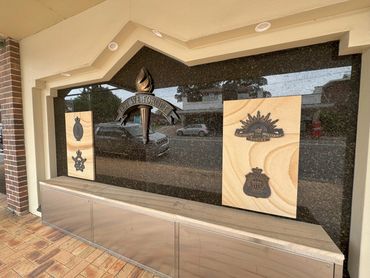
Billy tirelessly sought funding for projects, such as the establishment of our first service honor roll—a project dear to local veterans and members alike. His passionate support for veterans in need and local war widows has etched his name in the hearts of many.
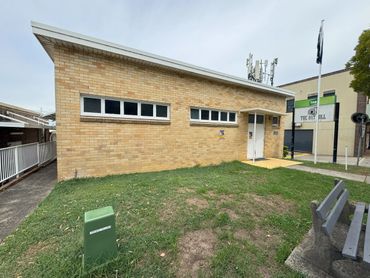
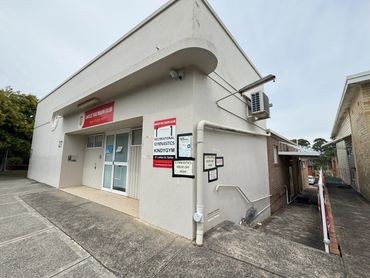
In December 2025, the Oatley RSL Sub-Branch Hall was officially renamed the "William Billy Wright Hall" in recognition of Billy's exemplary service to Australia and for his unwavering volunteer and support work within the Oatley community.
Billy is a testament to the local Oatley Spirit and the Oatley community drive and passion to support one another within this fantastic community.
Oatley’s own hero, Pilot Officer Frederick Richard John McDowell
Pilot Officer Frederick Richard John McDowell (Service Number: 403070), a distinguished Spitfire pilot of No. 457 Squadron RAAF during World War II. Born on 4 February 1917 in Waverley, NSW, and later residing in Oatley, McDowell enlisted in the Royal Australian Air Force on 9 December 1940.
Throughout his service in the Northern Territory, McDowell showcased exceptional bravery, engaging enemy aircraft in defense of our nation. His commitment to protecting Australia from aerial threats exemplifies the courage and dedication of our servicemen.
During his service, PLTOFF McDowell had three unconfirmed kills (Japanese Bombers) and damaged another five aircraft (unconfirmed).
Tragically, on 6 July 1943, McDowell was killed during air operations over the Northern Territory.
McDowell and his 457 SQN wingmen were scrambled to intercept an enemy force approaching Darwin from the west. Departing RAAF Livingstone (South of Darwin) at 1045 hours local in an 11 aircraft scramble, McDowell, number 2 in blue formation (Blue 2) of four aircraft departed Livingstone in the second packet of four. The remainder of the section comprised Blue 1. FO F.D Hamilton, Blue 3. FO N.F. Robinson, Blue 4 FLTSGT R. Watson. FLTSGT Watson returned to base shortly after take off with engine problems and did not witness the engagement.
Interception was made with the enemy aircraft approximately 35 miles East of Anson Bay (NT) at a height of approximately 22,000ft. Blue section dived in to attack from 32,000ft. Following a fierce air battle, McDowell and the remaining men of Blue section were shot down and never seen again by their 457 SQN comrades.
A week after the engagement, PLTOFF McDowells aircraft and body were located and recovered within/close to the Roper River.
He is laid to rest at the Adelaide River War Cemetery, a solemn reminder of the sacrifices made for our country’s freedom.
We honor Pilot Officer McDowell’s legacy, reflecting on his valor and the ultimate sacrifice he made. His story continues to inspire and remind us of the profound debt we owe to those who fought for our nation’s peace and security.
Thank you Fred “Darky” McDowell.
Lest we forget.
(The Artwork depicted to the left is an official print, commissioned by the Oatley RSL Sub-Branch and painted by Hangar 7 Art. The painting depicts FLGOFF McDowell's final battle, based on eyewitness accounts, Squadron diaries and evidence collected and provided by the Spitfire Association and the Australian War Memorial to the Oatley RSL Sub-Branch. This print can be purchased off Hangar7 Art. The original is on display in the Oatley RSL)
WW2 Spitfire hero - Pilot Officer Frederick "Darky" McDowell

Informal outdoors portrait of 403070 Flight Sergeant Frederic Richard John McDowell of 457 (Spitfire) Squadron RAAF AWM Photo Collection - https://www.awm.gov.au/collection/C285128
Photo January 1943 PLTOFF Frederick "Darky" McDowell RAAF RAAF base Livingstone NT.
Inscribed in the photograph album of LAC Bill Conant, 457 Squadron UK "Jack McDowell and Kim Edwards"
Darky's Spitfire MkVc
Darky's Spitfire MkVc
RAAF Ground crew from 457 SQN prepare an MK-Vc Spitfire at Livingstone NT. The Aircraft McDowell lost his life in was tail number A58-33 (BR499)
Darky's Spitfire MkVc
Darky's Spitfire MkVc
Darky's Spitfire MkVc
Livingstone, NT. February 1943. A Supermarine Spitfire aircraft of No. 457 Squadron RAAF of No 1 (Fighter) Wing RAAF shortly after take off from the airstrip. Livingstone (South of Darwin) was Fred's operational base and the base that he departed from before losing his life in the defence of this great nation.
457 SQN RAAF
Darky's Spitfire MkVc
Australian crew of the No. 457 Squadron 'Grey Nurse' RAAF pushing a Spitfire fighter into its dispersal at Livingstone Airfield, Northern Territory, Australia, Feb 1943.

Darky with 452 & 457 SQN RAAF
Group photo with members of 452 SQN and a number of 457 SQN Pilots including PLTOFF Fred "Darky" McDowell (back row 3rd from left). This picture was taken in front of a Spitfire MkVc in its hidden revetment at Strauss Field (NT) 1943
(Picture AWM colorised by Mile Pegs NT)
Fred McDowell's Grave
Fred McDowell's Grave
OAWG grave marker for Pilot Officer McDowell 403070 RAAF in Adelaide River War Cemetery, NT D C Barlow image
RAAF Signal
Fred McDowell's Grave
RAAF Signal 457 SQN - Missing pilot PLTOFF Frederick McDowell.
Casualty Letter
Casualty letter to Mr's J.F. McDowell informing her of her husband's (Fred McDowells) death in combat

McDowells Aircraft A58-33 BR499 1942 airfield crash incident
Photos of McDowells 09/11/42. Coded V and named "Bill 1". Accident 1700hrs 13/03/43, written off on landing at Livingstone NT following a non-operational flight. Aircraft had violent swing to the left off strip and crashed into high ground and trees , with port wing being ripped off and aircraft ending on nose. Cause attributed to retrac
Photos of McDowells 09/11/42. Coded V and named "Bill 1". Accident 1700hrs 13/03/43, written off on landing at Livingstone NT following a non-operational flight. Aircraft had violent swing to the left off strip and crashed into high ground and trees , with port wing being ripped off and aircraft ending on nose. Cause attributed to retracted left flap. Pilot at the time; P/O Alfred Henry Blake Serv#400458 was not injured. ; https://allspitfirepilots.org/aircraft/BR499
McDowells Aircraft A58-33 BR499 1942 airfield crash incident
McDowells Aircraft A58-33 BR499 1942 airfield crash incident
Photos of McDowells 09/11/42. Coded V and named "Bill 1". Accident 1700hrs 13/03/43, written off on landing at Livingstone NT following a non-operational flight. Aircraft had violent swing to the left off strip and crashed into high ground and trees , with port wing being ripped off and aircraft ending on nose. Cause attributed to retrac
Photos of McDowells 09/11/42. Coded V and named "Bill 1". Accident 1700hrs 13/03/43, written off on landing at Livingstone NT following a non-operational flight. Aircraft had violent swing to the left off strip and crashed into high ground and trees , with port wing being ripped off and aircraft ending on nose. Cause attributed to retracted left flap. Pilot at the time; P/O Alfred Henry Blake Serv#400458 was not injured. ; https://allspitfirepilots.org/aircraft/BR499
McDowells Aircraft A58-33 BR499 20JUL43 Crash site
McDowells Aircraft A58-33 BR499 1942 airfield crash incident
Map of P/O McDowells crash site after it was located and recovered on the 20/07/43.
Pilot of BR499; P/O F.R.J. McDowell Serv#403070 killed. Wreck and pilot located 20/07/43 by 7RSU beside Mount Litchfield just 28 Miles South, South East of the enemy intercept location. Red Circle denotes enemy aircraft engagement area. Blue circle denotes
Map of P/O McDowells crash site after it was located and recovered on the 20/07/43.
Pilot of BR499; P/O F.R.J. McDowell Serv#403070 killed. Wreck and pilot located 20/07/43 by 7RSU beside Mount Litchfield just 28 Miles South, South East of the enemy intercept location. Red Circle denotes enemy aircraft engagement area. Blue circle denotes WW2 RAAF Base Livingstone (Livingstone Strip) McDowells home base

McDowells Aircraft A58-33 BR499 noted in 7RSU Log
McDowells Aircraft A58-33 BR499 noted in 7RSU Log
7RSU Log entry. Noting (in red) P/O McDowells crash site after it was located on the 20/07/43 and recovered on the 23/07/43.
Pilot of BR499; P/O F.R.J. McDowell Serv#403070 killed. Wreck and pilot located 20/07/43 by 7RSU.